
What are the causes of special needs
Do you know the specific causes of special needs? There are an infinite number of these cases, most of which we will know about in the following article
Despite the diversity of these causes, whether they are hereditary or acquired, many doctors indicate that these causes differ according to the type of disability and the nature of the conditions that led to the exacerbation of these causes.
The Trust Center provides multiple services for people with special needs, and it cares for them since childhood through early intervention programs, programs to overcome learning difficulties, and treatment services such as physical therapy , behavioral therapy, speech therapy, group therapy, sensory integration, and others.
What are the causes of special needs?
If you are asking about the causes of special needs, we can tell you that Special needs can have various causes, including genetic factors, prenatal exposure to toxins or infections, complications during birth, brain injuries, premature birth, and environmental factors. Each individual's case is unique, and the causes can vary widely.
Causes of physical special needs
Physical special needs or physical disabilities can be caused by a variety of factors, including:
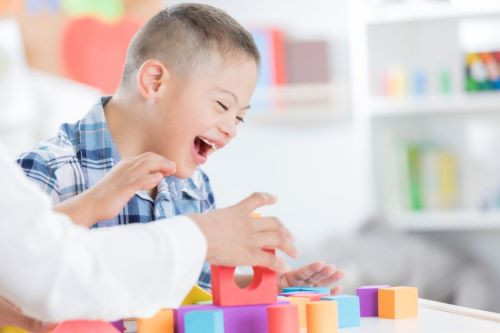
1- Genetic factors: Certain genetic conditions, such as Down syndrome or muscular dystrophy, can result in physical special needs.
2- Prenatal factors: Issues during pregnancy, such as exposure to toxins or infections, can lead to physical disabilities in the developing fetus.
3- Perinatal factors: Complications during childbirth, such as lack of oxygen or premature birth, can result in physical special needs.
4- Postnatal factors: Injuries or illnesses after birth, such as brain damage from a traumatic event, can cause physical disabilities.
5- Medical conditions: Certain medical conditions, such as cerebral palsy or spinal cord injuries, can result in physical special needs.
6- Environmental factors: Exposure to environmental toxins, accidents, or injuries can also lead to physical disabilities.
7- Aging: As individuals age, they may develop physical disabilities due to natural aging processes or age-related conditions.
It is important to note that each individual's situation is unique, and the causes of physical special needs can vary greatly from person to person. Early intervention, proper medical care, and support services can help individuals with physical special needs lead fulfilling lives.
What are physical special needs?
Physical special needs refer to any specific requirements or challenges that individuals may have due to physical disabilities or conditions.
These needs can include mobility impairments, chronic health conditions, visual or hearing impairments, and other physical limitations that may require accommodations or support to ensure equal access and participation in various aspects of life.
Providing appropriate resources, assistive devices, therapies, and accessibility modifications can help individuals with physical special needs lead fulfilling and independent lives.
Causes of intellectual special needs
The matter is not much different in cases of mental special needs or intellectual disabilities , but you will notice that some of the reasons overlap greatly with the causes of physical disabilities.
Intellectual special needs can arise from a variety of factors, including:
1- genetic conditions: such as Down syndrome, Fragile X syndrome, and other chromosomal abnormalities.
2- Prenatal factors : like maternal infections, exposure to toxins, or complications during pregnancy can also contribute to intellectual special needs. Additionally, perinatal factors such as premature birth, low birth weight, or lack of oxygen during delivery can play a role.
3- Postnatal causes : like brain injuries, infections, or environmental factors can also lead to intellectual special needs.
It's important to remember that each individual is unique, and the causes of intellectual special needs can vary greatly from person to person.
Intellectual special needs, also known as intellectual disabilities, refer to limitations in intellectual functioning and adaptive behavior that impact an individual's everyday life.
People with intellectual special needs may have challenges with communication, social skills, self-care, and independent living skills.
These individuals may require additional support, accommodations, and specialized services to help them reach their full potential and lead meaningful lives.
It is important to provide a supportive and inclusive environment for individuals with intellectual special needs to ensure they have the opportunity to thrive and participate fully in society.
How to detect the causes of special needs early?
Detecting the reasons for special needs early is crucial for early intervention and support. Here are some ways to detect the causes of special needs early:
1- Developmental Screening
Regular developmental screenings can help identify any potential delays or concerns in a child's development. These screenings may include assessments of cognitive, social, emotional, and physical development.
2- Genetic Testing
In cases where genetic disorders are suspected to be a cause of special needs, genetic testing can be used to identify any genetic abnormalities or conditions that may be contributing to the child's developmental challenges.
3- Medical Evaluation
A comprehensive medical evaluation can help rule out any underlying medical conditions or neurological disorders that may be causing the special needs.
4- Observation and Monitoring
Careful observation and monitoring of a child's behaviors, milestones, and interactions can help identify any patterns or concerns that may signal the presence of special needs.
5- Parental Concerns
Parents are often the first to notice if something is not quite right with their child's development. It is important to listen to parental concerns and take them seriously when investigating the causes of special needs.
Early detection of the causes of special needs can lead to early intervention, which can help improve outcomes and quality of life for people and kids with special needs.
What are the causes of specific learning disabilities?
If you want to know these causes , here are the following:
1- Family history and genes
Having a blood relative, such as a parent, with a learning disorder raises the risk of a child having a disorder.
2- Risks before birth and shortly
Exposure to hypoxic conditions that cause brain damage, as well as diseases that affect infants such as fever and others, can be a major cause of these disabilities.
3- Emotional trauma
Severe emotional and psychological traumas that a child is exposed to at an early age, such as sexual assault, the death or separation of a parent, exposure to beatings, and physical and moral abuse, can lead to this.
4- Physical trauma
These include physical trauma resulting from exposure to violent accidents or severe beatings, which may harm the brain area or damage and destroy the speech organs.
What is the parental support of special needs?
Parental support for children with special needs is crucial in ensuring their overall well-being and development. Parents play a significant role in advocating for their children, accessing resources and services, and providing emotional support. They often act as the primary caregivers and education advocates for their children with special needs.
Support from parents can include:
1- Advocacy: Parents can advocate for their child's needs within the educational system, healthcare system, and community to ensure they receive appropriate support and accommodations.
2- Emotional support: Parents provide love, understanding, and encouragement to help their child navigate the challenges that come with having special needs.
3- Accessing resources: Parents research and access resources such as therapies, support groups, assistive technologies, and community programs to enhance their child's development and quality of life.
Overall, parental support is essential for children with special needs to thrive and reach their full potential. By being actively involved in their child's care, education, and well-being, parents can make a significant difference in their child's life.
Trust Center
If you are a Qatari resident or citizen and are looking for the best care center for people with special needs in Qatar, you can turn to the Trust Center. The Trust Center provides the best special needs treatment in Qatar through a range of programs and services that help treat the causes of special needs early, including:
Early childhood programme
This special needs program provides comprehensive support for early childhood with the aim of developing the cognitive, developmental and emotional needs of children with special needs, providing them with special care and helping them overcome various challenges, learning difficulties, and physical and developmental challenges. The program includes the following services:
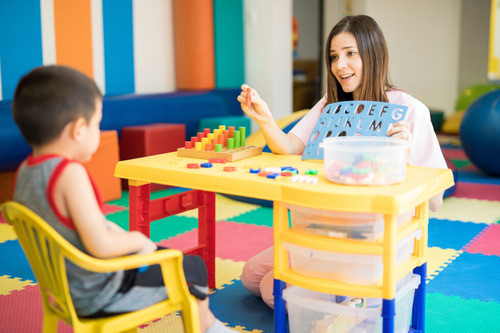
1- Speech therapy: aims to improve communication abilities and treat speech delays and language disorders.
2- Occupational Therapy: Focuses on enhancing both fine and gross motor skills, sensory processing, and daily living skills.
3- Enhancing Developmental Skills: Aims to enhance cognitive development and motor skills, which is critical for daily performance and learning.
4- Physical therapy: dedicated to building physical strength, coordination and mobility.
5- Psychomotor therapy: combines physical activities with cognitive and emotional development.
6- Pre-Academic and Academic Training: Prepares children for school settings by focusing on basic academic skills and readiness.
This program is one of the most efficient and successful early intervention programs.
What is the importance of educational special needs Qatar?
Educational programs for special needs individuals are crucial in providing tailored support to help them reach their full potential. These programs are found in the Trust Center and they focus on addressing each individual's unique learning needs, promoting skill development, fostering independence, and enhancing overall quality of life.
By creating inclusive learning environments, educational programs for special needs also help reduce stigma, promote diversity, and encourage empathy and acceptance among all members of society.
Conclusion
Noticing the causes of special needs and treating them early is what plays a difference in the success of treatment and achieving positive results, regardless of the type of disability.
Do not hesitate to contact the Trust Center, which provides the best treatment service for special needs at all levels.





0 comments